Types of Fire Rated Glass: A Complete Guide
In this guide, we’ll explore the main types of fire rated glass, how each works, and where they are commonly used.
What Is Fire Rated Glass?
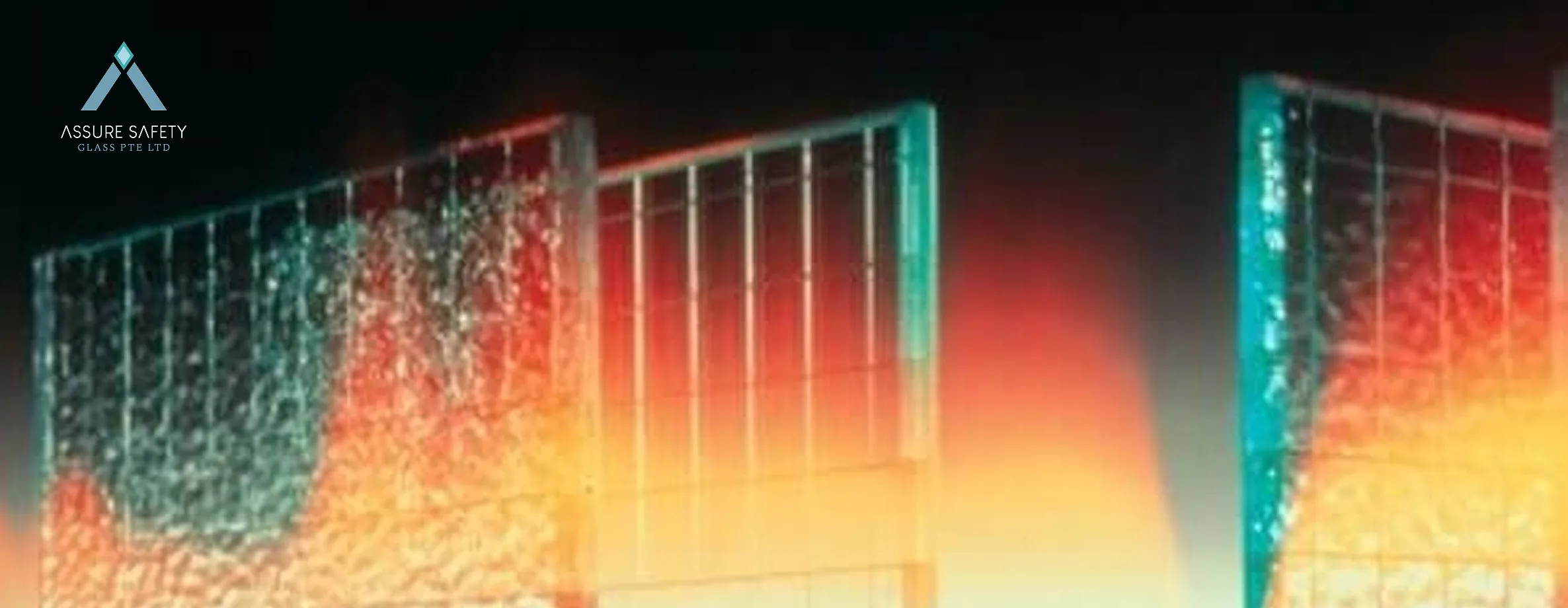
Fire rated glass is specially manufactured glass that can withstand fire and high temperatures for a specified time. Unlike regular glass, it is tested to resist flames, smoke, and in some cases radiant heat, helping prevent the spread of fire in buildings.
Fire rated glass is typically rated for 20, 30, 60, 90, or 120 minutes, depending on the type and construction.
Main Types of Fire Rated Glass
There are several types of fire rated glass, each designed for different levels of fire protection and applications.
1. Wired Fire Rated Glass
Wired fire rated glass contains a wire mesh embedded within the glass. The wire helps hold the glass together during a fire, reducing the risk of shattering.
Key Features:
- Provides basic fire protection
- Prevents glass from falling out during fire exposure
- Cost effective solution
Common Uses:
- Fire doors
- Stairwells
- Industrial buildings
2. Ceramic Fire Rated Glass
Ceramic fire rated glass is made from transparent ceramic material that can withstand extremely high temperatures without breaking.
Key Features:
- Excellent fire resistance
- High thermal stability
- Clear visibility
Common Uses:
- Fire rated windows
- Fire doors
- Commercial and public buildings
3. Intumescent Fire Rated Glass
Intumescent fire rated glass is a high performance option that contains multiple layers with special interlayers. When exposed to heat, these layers expand and become opaque, creating an insulating barrier.
Key Features:
- Blocks flames, smoke, and radiant heat
- High fire resistance ratings
- Provides superior insulation
Common Uses:
- Hospitals and healthcare facilities
- Office partitions
- High rise buildings
4. Fire Protective Glass
Fire protective glass is designed to prevent the spread of flames and smoke but does not significantly block radiant heat.
Key Features:
- Flame and smoke containment
- Typically rated up to 45 minutes
- Not suitable for high heat insulation
Common Uses:
- Doors
- Transoms
- Corridor glazing
5. Fire Resistive Glass
Fire resistive glass offers the highest level of protection among all types of fire rated glass. It prevents flames, smoke, and radiant heat transfer.
Key Features:
- Meets strict fire resistance standards
- Can achieve 60 to 120 minute ratings
- Often used where safety codes are strict
Common Uses:
- Emergency exits
- Stairwells
- Fire rated walls and partitions
Choosing the Right Type of Fire Rated Glass
When selecting among the different types of fire rated glass, consider:
- Required fire rating
- Building codes and regulations
- Level of heat protection needed
- Location of installation
- Budget and design requirements
Consulting fire safety experts ensures compliance and maximum protection.
Benefits of Using Fire Rated Glass
Regardless of type, fire rated glass offers several advantages:
- Improved fire safety
- Compliance with building regulations
- Enhanced visibility and natural light
- Increased occupant protection
- Modern architectural appeal
Benefits of Using Fire Rated Glass
Using fire rated glass offers several advantages:
- Enhanced fire protection
- Compliance with building codes
- Improved occupant safety
- Maintains natural light and visibility
Adds aesthetic value without compromising safety
Final Thoughts
Understanding the types of fire rated glass is essential for creating safe and compliant buildings. From wired and ceramic options to advanced intumescent and fire resistive solutions, each type serves a specific purpose in fire protection.
Selecting the right fire rated glass not only improves safety but also supports modern design without compromising visibility or performance.